
Moving advice
Getting a house ready to move: a Canterbury checklist
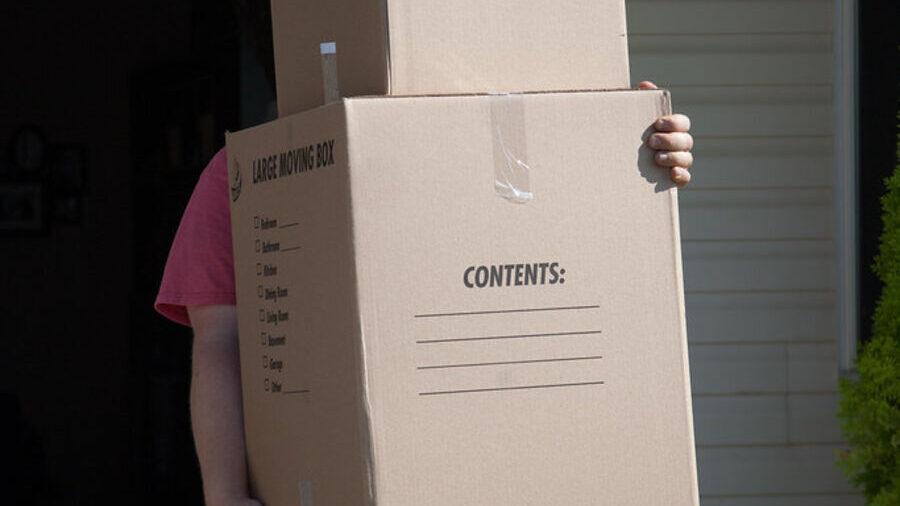
The move itself is the easy part, and it is also the part everyone imagines. What actually decides whether moving day is calm or chaotic is the two days before it — what you clear, what you pack, and what you leave for the crew. This is the order that works, learned from doing it week after week around Christchurch.
Start with the rooms nobody wants to touch
Every household has one: the garage, the shed, the airing cupboard, the storage space under the stairs. Start there, because it is full of things nobody looks at until the truck is at the kerb. Work through it room by room, not box by box, and put everything into three piles — going, staying and unsure. The unsure pile is the one that causes delays on the day, so resolve it as early as you can. If something has not been looked at in five years and nobody can say who it belongs to, that is the conversation to have before the move, not at 7am on the day.
Pack the things you need first, and label them
Whatever else happens, the first box into the new house should be the one with the kettle, the light bulbs, the sheets and the toiletries in it. A small trolley bag or a single clearly marked crate beats a wall of identical cardboard boxes, because it stays with you in the truck rather than going on the back of the load. Everything else gets a room name on two sides of the box, and the fragile ones get the word FRAGILE on more than one face.
A useful rule from practice: if a box has no label, it will be opened first on arrival, which means someone is on their knees in a hallway at the wrong end of a long day. Unlabelled boxes are also the ones that end up forgotten.
Separate the furniture from the boxes
Big furniture and small boxes want to be handled differently, and mixing them makes the load worse. Beds, wardrobes, tables and the pieces that will not fit through a door intact are handled as furniture, which sometimes means taking them apart in the room they are in. Boxes of household goods go in the box spaces. When the load is built with that split in mind, the unloading order can match the way you will actually live in the new place.
If you are moving a whole house rather than a few rooms, this is where the house removals work earns its keep: the crew sizes the truck to the load, decides what comes apart, and builds a stack that travels without shifting.
Protect the things that cannot be replaced
Photograph the electronics stack before it is disconnected. Wrap anything with a glass top, a polished finish or a sentimental attachment, and tell the crew what it is — the furniture removals page covers how breakable and irreplaceable pieces are handled. Photos of drawer contents and cable runs take ten minutes and save an argument later.
Do the same for the things leaving the house: keys to be returned, rubbish to be gone, the loading bay to be clear of anything that is not yours. A driveway you cannot get the truck into turns a three-hour job into a six-hour one.
The last night, in order
Bedrooms first, then the kitchen, then living spaces, then the garage and any outdoor leftovers. The last load out should be the things you will want in the first hour at the new place. Leave the hallway, the front door and the driveway clear until the truck is gone.
One more thing worth doing on the last night: a photo of every empty room before the doors are closed, and a photo of the meter readings if there is one. It takes a minute and it settles arguments that otherwise take a week.
On the day
Have water available, keep children and pets somewhere out of the traffic lane, and leave the kettle on. There is no value in hovering — the crew knows the order they are working in, and the household is in less danger of becoming an obstacle than anyone imagines. If you would rather not be in the house at all, say so when you book; that is a completely normal request and it is easier to plan around than to accommodate on the day.
The one thing worth doing is being reachable. Something always comes up — a drawer that will not open, a load that needs re-placing, a decision about what stays. When the answer is a phone call instead of a conversation across a driveway, the day goes faster for everyone.
If you would like someone to run the move for you, every job at Moonies Movers is arranged by calling Mike on 027 474 8717. Quotes are free and carry no obligation, and the work can be priced as a quote or at hourly rates. There are no published opening hours and no booking form — the call is the arrangement.